
DOROTHY DOWE
is the only candidate who has the engineering & financial expertise necessary to protect our quality of life.
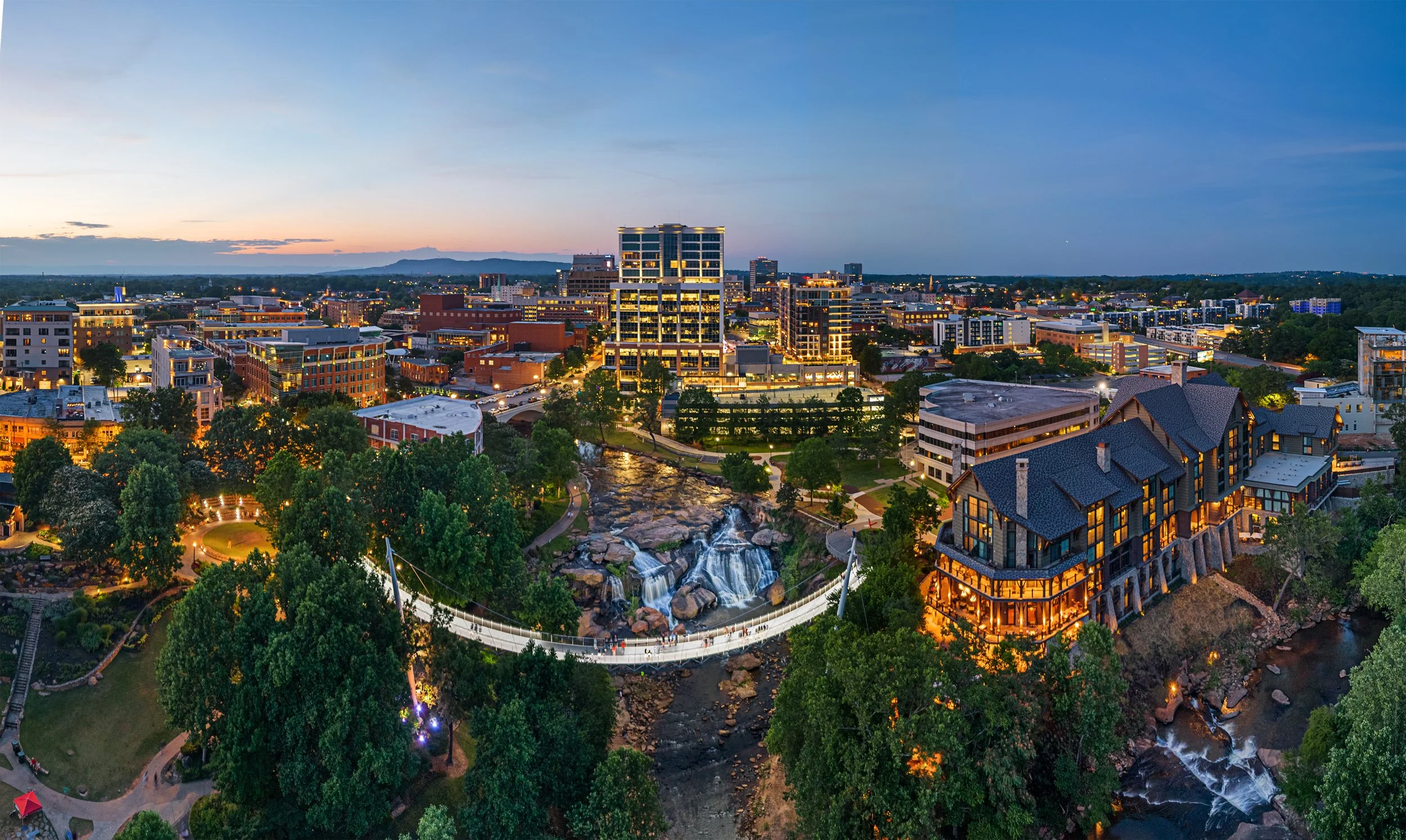
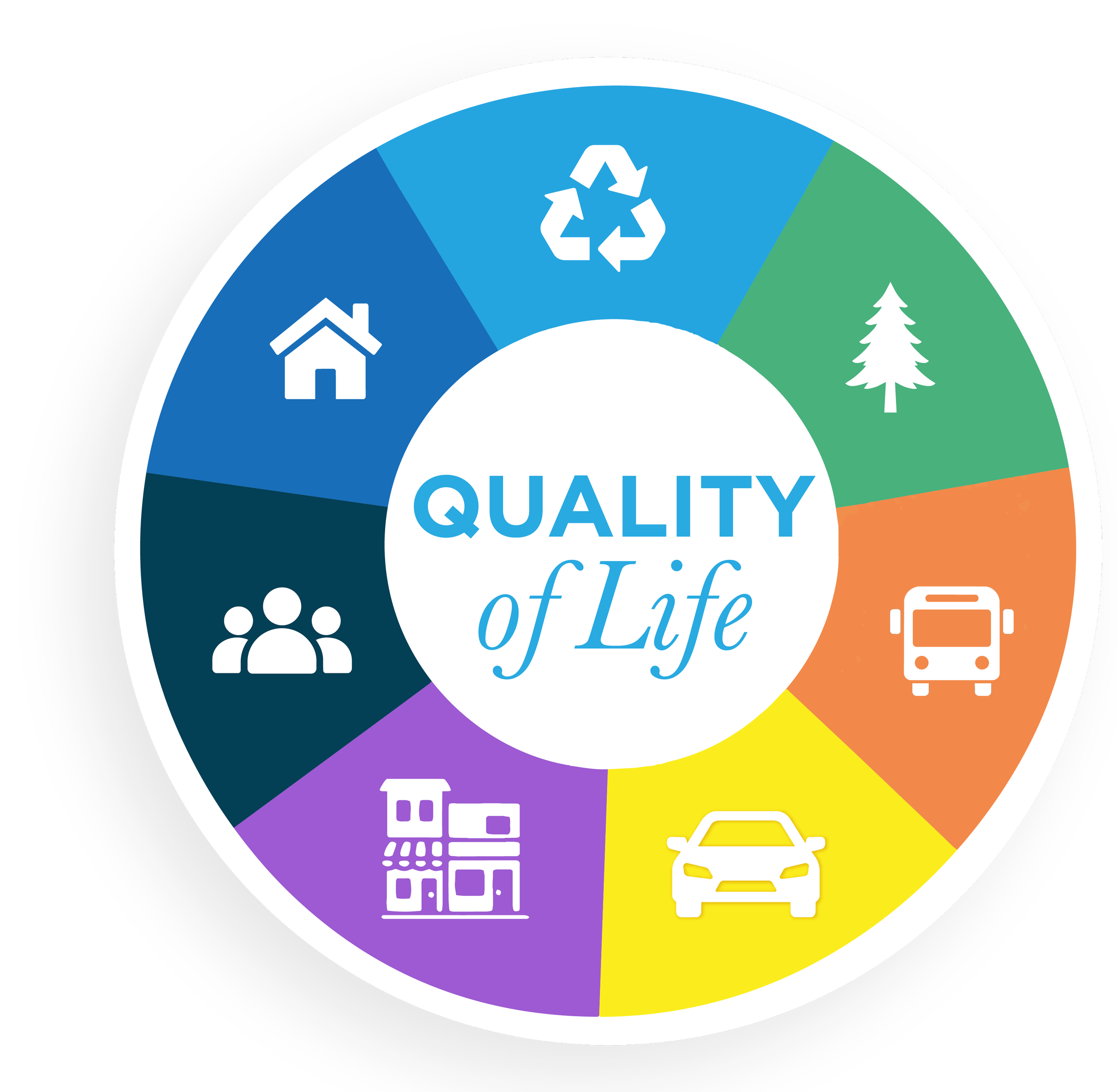







From a distance it is easy to assume that economic growth and quality of life are competing interests, but in fact our decades long strategy of making Greenville great for Greenvillians is what is driving our successful growth. Quality of life for Greenvillians is where we need to keep our focus. It should remain at the center of every initiative.
With the passage of the 1% Local Options Sales Tax focused on infrastructure and increasing the city budget by an estimated $60 million per year, leadership with an engineering and financial skill set has never been more valuable.

Addressing the Housing Deficit
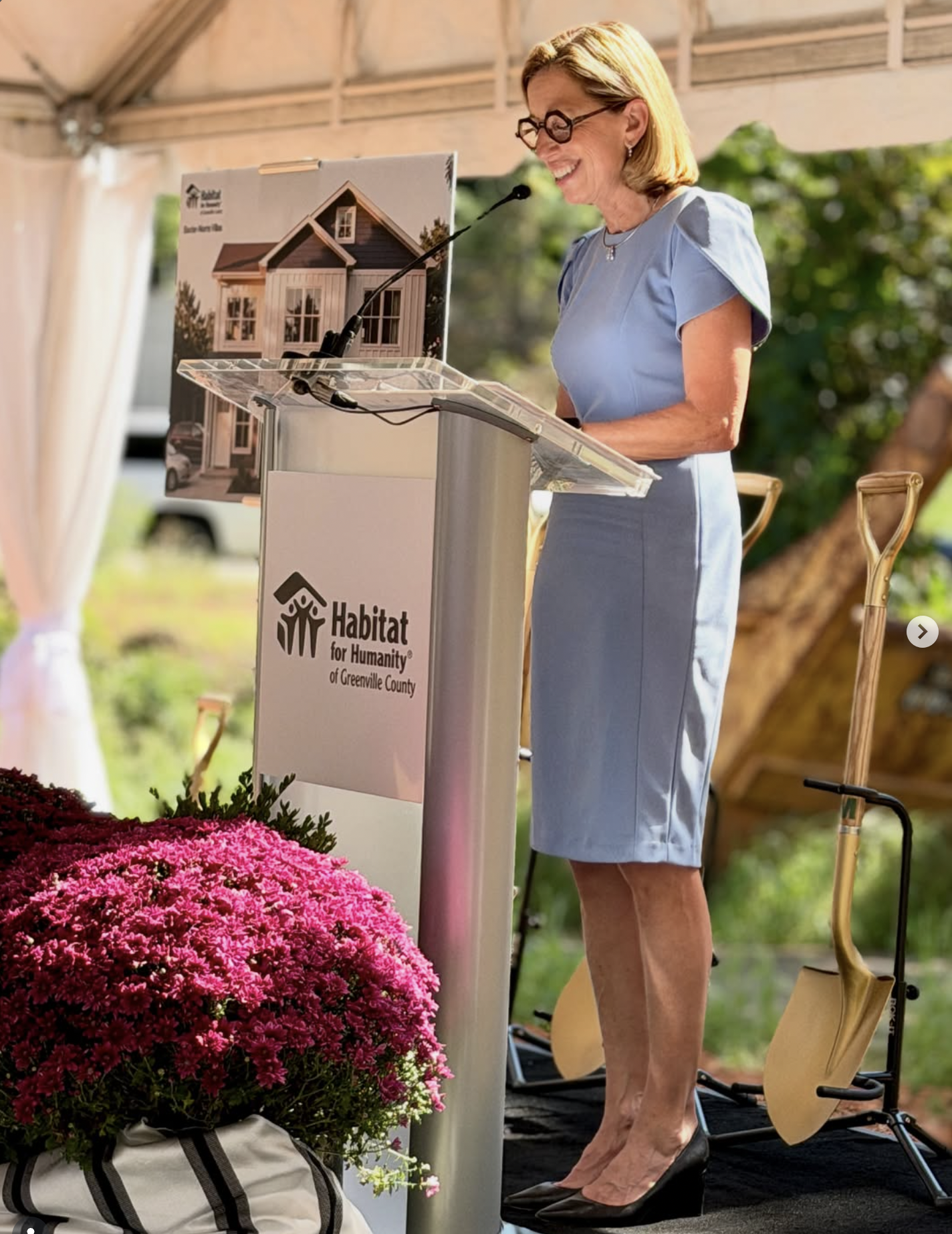
The inter-related nature of quality of life and economic growth is magnified as access to affordable housing becomes more limited. Affordable housing is both a socioeconomic issue and a workforce issue. For example, two of our largest employers in Greenville are the Greenville County School District and Prisma Health. In order to recruit and retain talented teachers, nurses and support personnel for these critical entities, our city must ensure that our housing supply grows to serve all levels of income, and a variety of types of housing selection, including rental and home ownership is accessible. My experience in leading affordable and workforce housing initiatives in our city, as well as working hand-in-hand with our state and federal elected officials and agencies to do the work, has allowed us to exceed our GVL2040 goal of ensuring at least 10% of all new housing units are affordable. In the next four years, we must accelerate our progress towards construction of affordable and workforce housing and explore multiple funding strategies and housing types.
The city partnership with Greenville Together is an important part of this priority, helping us to quickly identify the unhoused in our community whose primary struggle has been affording a place to live.
Investing in Infrastructure to
Alleviate Traffic Congestion
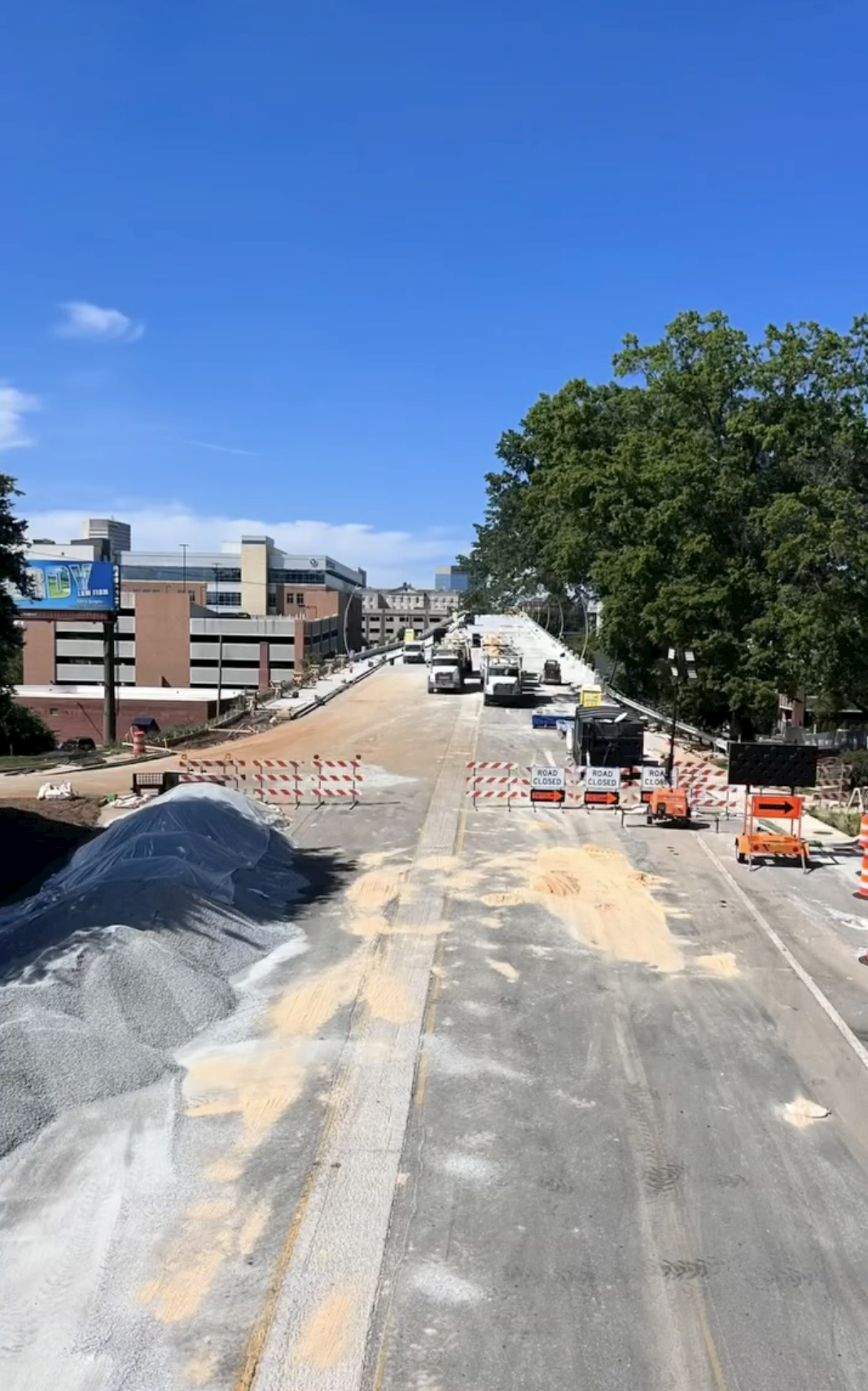
Traffic flow must be a primary consideration as Greenville continues to move forward. Prioritizing funding to allow us to take advantage of available traffic technology will help us manage traffic flow to preserve quality of life. Additionally, providing the infrastructure to support multiple commuting options will help us limit the impact of increased traffic as Greenville continues to grow.
In 2025, following a $4.5 million investment, the City of Greenville Traffic Management Center opened. Utilizing Smart Technology to manage traffic signalization, we are optimizing our ability to address Greenville’s traffic challenges that have resulted from our City’s growth. Going forward, with a major infusion of funding for roadway projects from the revenue which will be generated from the 1% Municipal Sales Tax supported by the voters on the November 2026 ballot, I will ensure the projects identified for this revenue stream are executed as expeditiously as possible to address our traffic management needs.

Ensuring Public Safety and First Responder Support for Our Community
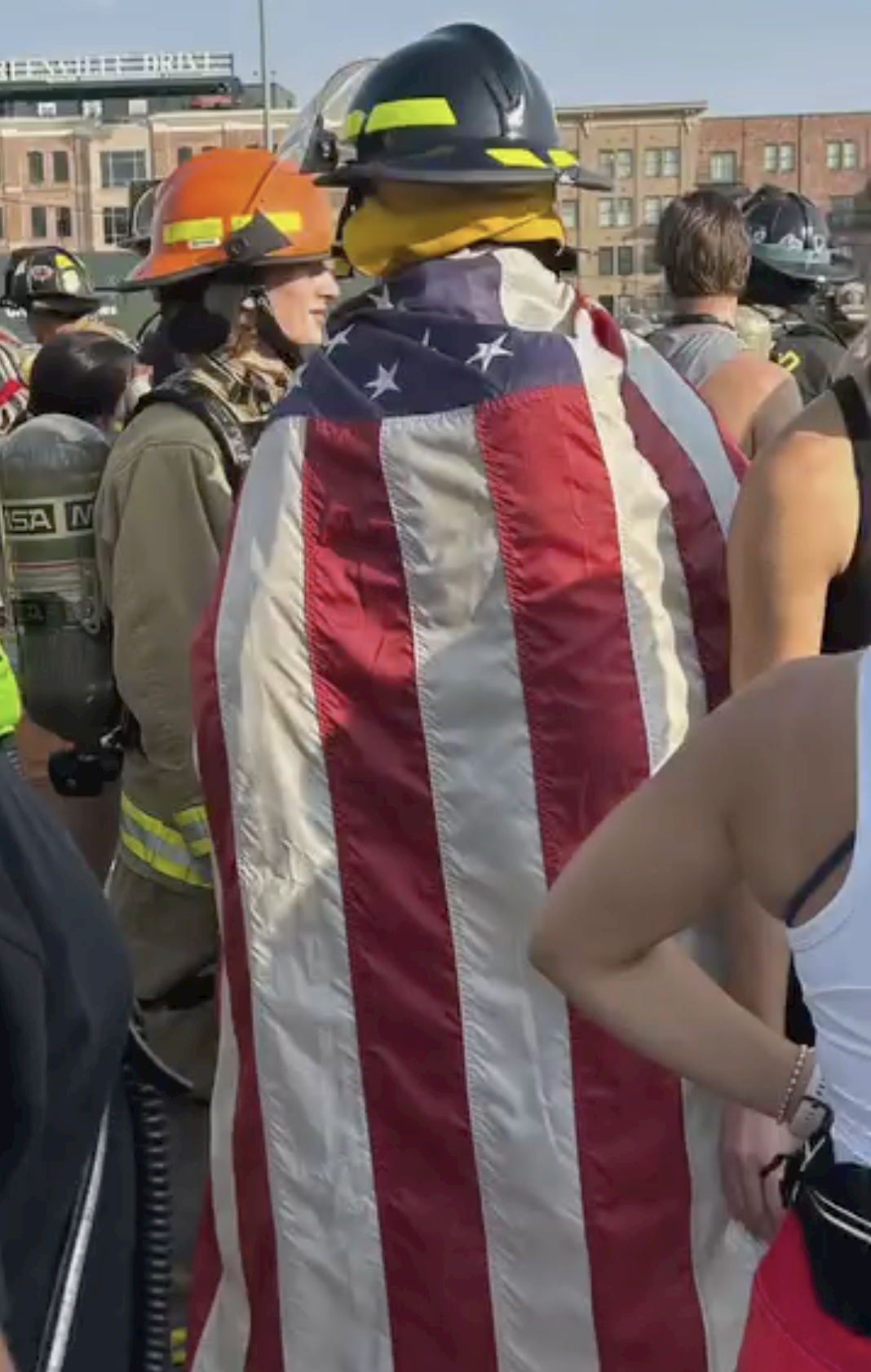
We are over 80,000 people living together and we are planning for our population to grow to approximately 120,000 people choosing to live in our City by 2040. Advancing as a safe City is essential. To ensure this, we must invest in our police and fire departments, stay abreast of new standards of policing, and continue our work to foster trust and respect between our citizens and law enforcement. As Greenville grows through population growth and annexations, we must expand our resources to serve the growing community. As an At Large Representative on City Council, I have been honored to celebrate the opening of two new fire stations at Augusta Road and Stone Avenue. Over the next four years, we will invest in new fire stations to serve the West Greenville community and residents in the southern part of the city on Fairforest Way.
In 2026, I worked to help make the case to our elected representatives in Columbia and in Washington DC to support our funding needs for a Real Time Crime Center (RTCC) in Greenville. Similar to our Traffic Management Center, and modeled after the RTCC in Charlotte, NC, this facility will allow us to better coordinate the use of technology and shared information across our first responder departments: Greenville Police Department, City of Greenville Fire Department, and our Department of Public Works. It is essential that we invest in these first responder needs to ensure Greenville remains a safe city, with our citizens at the forefront of our critical public services.

Prioritizing Sustainability, Resiliency & Stewardship of Our Resources
Our City priorities for Open Space and Resilience foster a community that proactively accepts responsibility for environmentally sound practices that are economically viable, and inclusive of all Greenville stakeholders.
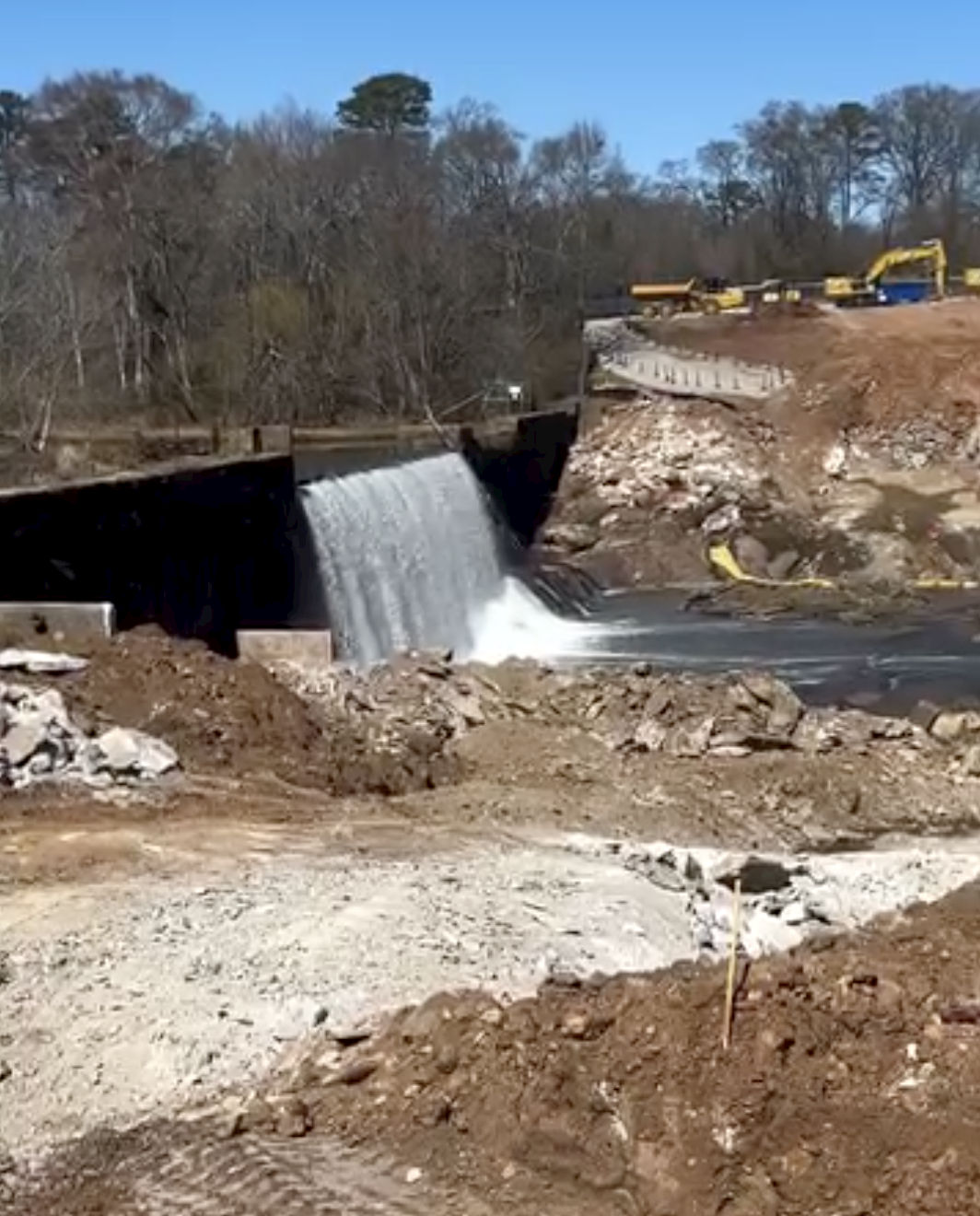
With the adoption of the City’s Sustainability Plan in early 2023, I endorsed the principles needed to expand our sustainability efforts. The plan, known as Sustainable GVL, provides a comprehensive list of recommendations for ways to advance Sustainability in Greenville and requires us to intentionally focus on sustainability in our municipal operations, capital projects and the built environment. Additionally, the 5 year update to the GVL2040 Comprehensive Plan which was required by state law, afforded us the opportunity to assess our progress on the original plan goals, and integrate a new Resiliency element to ensure we address the impacts of environmental change and natural hazards on our entire community. Through partnerships with state and local agencies we have been successful in earning grant funding to support our priorities in this area. My engineering expertise has advanced our City’s work on this priority, and I have championed funding in our annual budget for Open Space preservation and Stormwater Management. As Mayor, I will continue to focus City energy on this effort so important to our City's future.

CREATING A CITY WHERE EXISTING BUSINESSES THRIVE, AND NEW BUSINESSES WANT TO INVEST
Our GVL2040 Comprehensive Plan for growth establishes a vision which supports economic mobility and a diversified business economy. Once a thriving textile hub, Greenville rebounded from the collapse of this industry through decades of planning, prioritizing public-private partnerships and a commitment to quality of life. Our City is the economic heartbeat of the Upstate, well positioned to compete over the next decade. In an economy where businesses can choose to locate anywhere, our ability to attract new business investment depends on our ability to create opportunity, provide the workforce needed, and support economic development through public-private partnership investment that our past success has been built on.
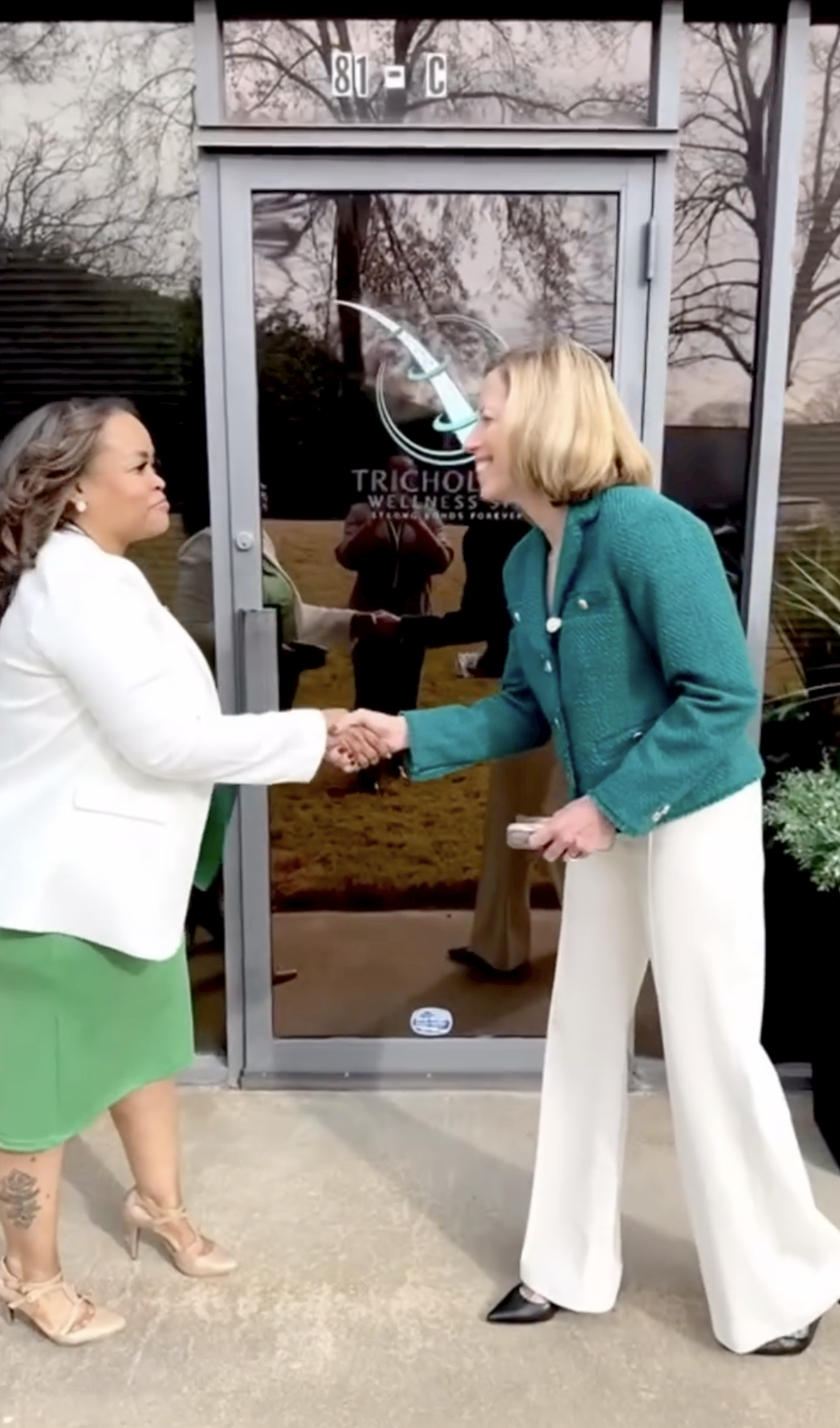
Recruiting new business investment is not the only focus for our economic development priorities. Our existing small businesses are foundational to our success, and were built by entrepreneurs who bet their livelihood on our City’s ability to support them. We must continue our support for small businesses by ensuring Greenville is a place where people want to work, play and live. Investments such as our Greenville City Economic Development Corporation, NextGEN, Facade Improvement Program, business license incentives, and public-private partnerships all demonstrate my commitment to existing and future business owners:
We want you in Greenville, and we are here to support you as you grow your business.


Preserving and Rebuilding Our Tree Canopy
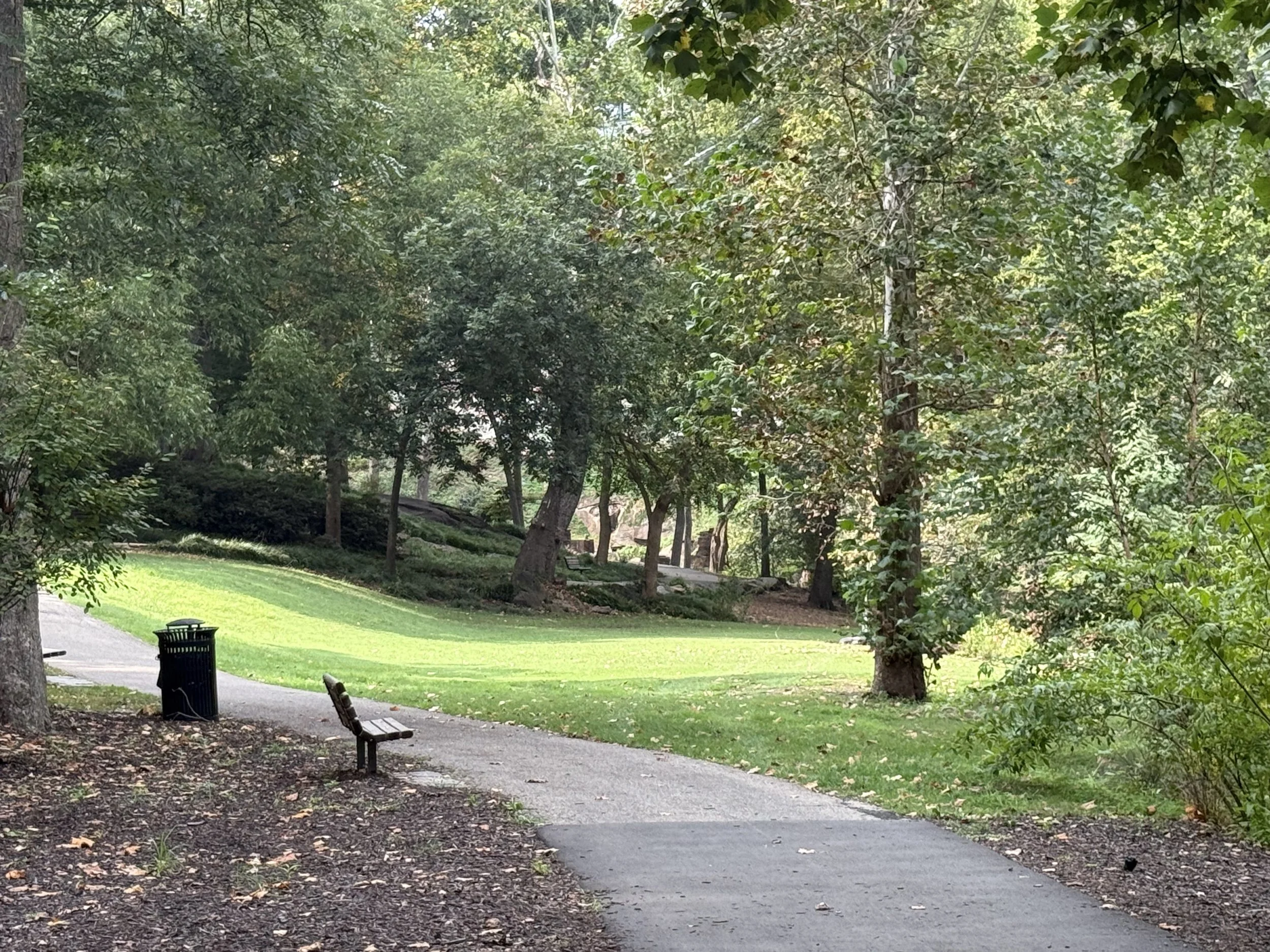
With the adoption of a new Tree Ordinance in 2021, we took the first step towards preserving our tree canopy, and incentivizing development that reverses the prior trend of tree canopy degradation. In the wake of Hurricane Helene, and with data obtained as part of our GVL2040 5-year update, more must be done to protect the existing canopy. To start, we must assess our tree canopy in a post-Hurricane Helene environment, and the City is in the process of developing the first-ever Urban Forest Comprehensive Plan to provide the data which will guide us in policy development going forward. As Mayor, I will continue the work to preserve greenspace through strategic land banking and ensuring our land management ordinance, as well as our tree ordinance and replanting incentives programs, prioritize greenspace and tree canopy preservation.
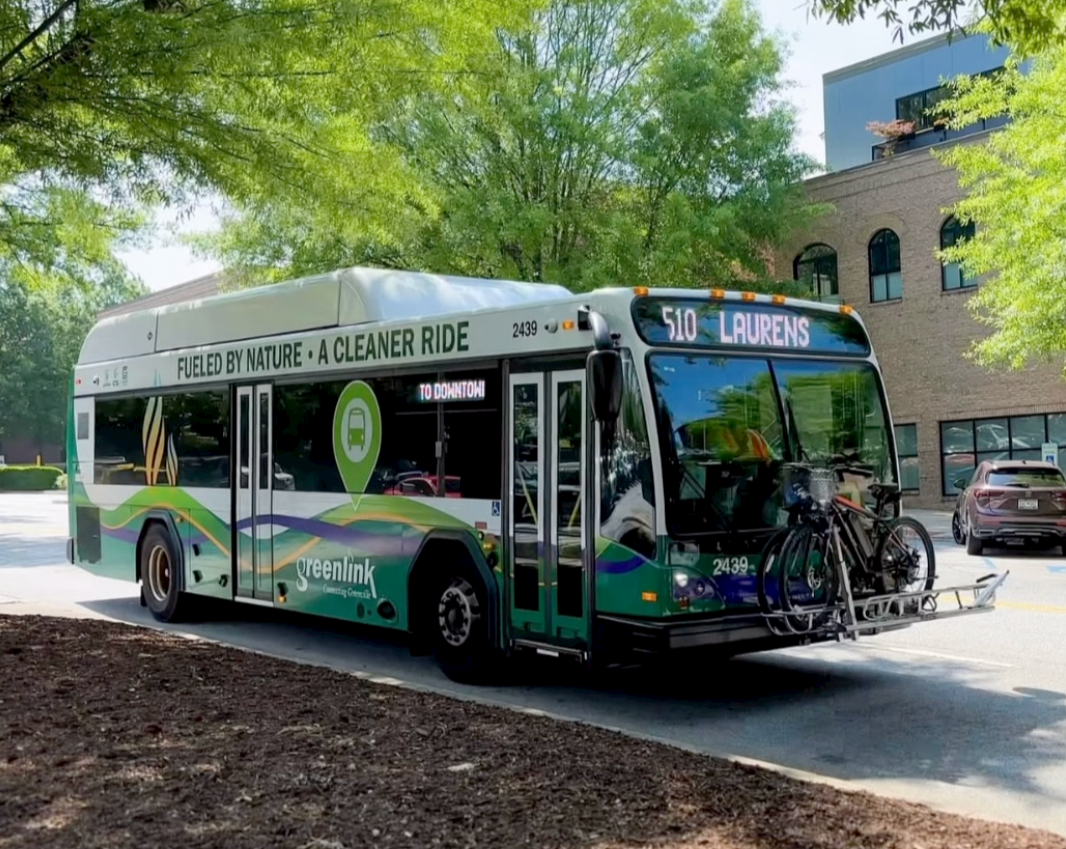

Creating a High Functioning Transit System
The Transit Development Plan (TDP) is our roadmap to enabling Greenlink to serve as a major part of the solution to getting Greenvillians where they need to be in the most efficient way possible. We opened a new Greenlink Operations and Maintenance Facility in 2024 which allowed us to increase our fleet of clean energy buses to advance our goal of increased service frequency, providing additional routes and service 7 days per week. In 2026, I served on the TDP Update Steering Committee. This Plan will provide a transparent, data informed pathway to prioritize investment and expansion for Greenlink going forward.
With the passage of the 1% Transportation Tax in the County, supported by the voters on the November 2026 ballot, additional revenue will be allocated to the Greenlink Transit system. This revenue will allow the expansion of routes and increased frequency to 30 minute service on the majority of routes that serve Greenville County, as defined in the TDP Update. I will continue to advocate for the City of Greenville investment in Greenlink to support operations, and provide backend services necessary for the administration of the transit system.